
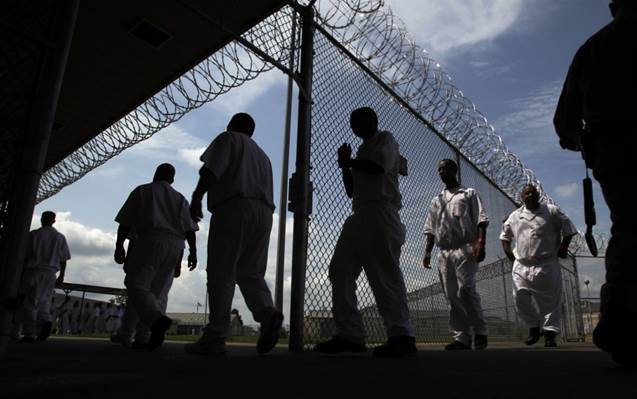
The big paradox of justice in America, by Justin Roman
“There were about 250,000 jail beds in the early 1980s, and today there are more than 800,000 … Prosecutors have more beds to fill and they are doing so, and as a result more arrestees find themselves serving prison sentences than ever before. And some of them may be innocent.”
Arizona Justice Project – And the Arizona Charitable Tax Credit Program
Arizona Justice Project – And the Arizona Charitable Tax Credit Program Dollar-for-Dollar – Your contribution helps to identify and free the wrongfully convicted or those who have suffered a manifest injustice and are indigent.
Arizona Horizon – ASU Post-Conviction Clinic and the Arizona Justice Project
Host: Ted Simons ASU Post-conviction Clinic Arizona State University’s Post-conviction Clinic seeks to help inmates who are innocent but have been convicted of a crime. The clinic recently received a new grant from the National Institute of Justice. Katherine Puzauskas, executive director of the Arizona Justice Project, and Robert Dormady,

Advances in DNA Testing Could Put Thousands of Texas Cases in Legal Limbo, By Meagan Flynn, Houston Press
Advances in DNA Testing Could Put Thousands of Texas Cases in Legal Limbo By Meagan Flynn , Houston Press Five days after a Houston woman was raped by two men, she was driving down the street when she spotted 16-year-old Josiah Sutton. She thought she recognized his hat, and then immediately identified
Justice Department about to free 6,000 prisoners, largest one-time release, By Sari Horwitz, Washington Post
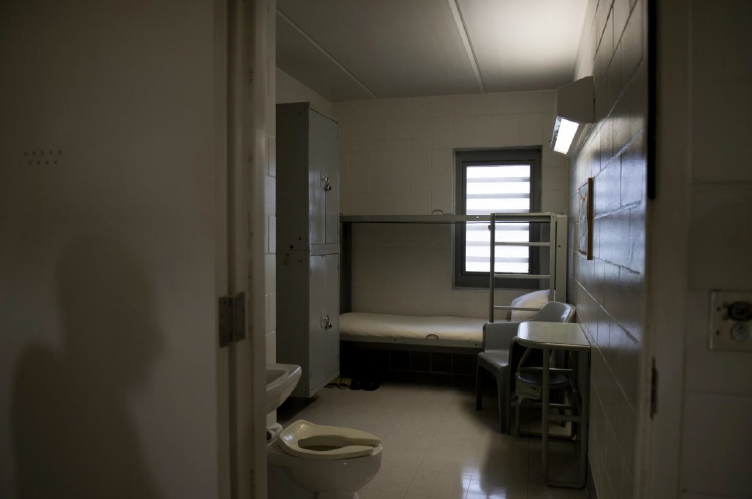
By Sari Horwitz, Washington Post The Justice Department is set to release about 6,000 inmates early from prison — the largest ever one-time release of federal prisoners — in an effort to reduce overcrowding and provide relief to drug offenders who received harsh sentences over the past three decades. The
Criminally Yours: Lying To Get To The Truth, By Toni Messina
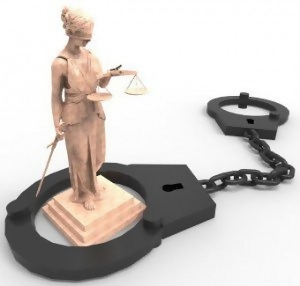
Above the Law writer takes a stand against police lying in interrogations. Criminally Yours: Lying To Get To The Truth By Toni Messina A hot topic in criminal law is “false confessions.” Why would someone ever admit to a crime he didn’t commit? How could anyone be so naïve or


Former juror in Glossip case tells Fox 25 their verdict would change now.
A former juror who joined 11 others in convicting and condemning Richard Glossip to death says recent revelations demand a stay of execution, or more. This news comes following a Fox 25 Investigation that reached out to the jurors who took part in the case. Fox 25 is withholding the
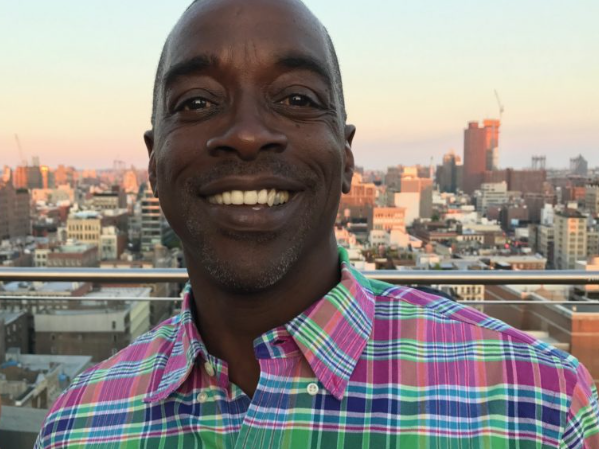
Sharing: Innocence Project Client – Alan Newton Exonerated!
“When you’re incarcerated, it gets harder to defend yourself because you’re really dependent on other people to do all the leg work for you, find the witnesses and make the case.” On July 6, 2006, Alan Newton was exonerated of rape, robbery, and assault charges. He had asked for DNA
EVENT PICTURE: Nicki, Carlos Arzate, Louis Taylor, Lindsay Herf (left to right)
A photo of our good friend and supporter Nicki, Carlos Arzate from the band “Carlos Arzate and the Kind Souls,” our former client Louis Taylor, and former JP DNA Project Manager and current Co-Director of the Wrongful Conviction Clinic at UofA, Lindsay Herf. Taken at a concert where Carlos Arzate

SAVE THE DATE: September 18, 2015 – Book Signing for Bills, Quills, and Stills: An Annotated, Illustrated, and Illuminated History of the Bill of Rights
Book Signing for “Bills, Quills, and Stills: An Annotated, Illustrated, and Illuminated History of the Bill of Rights” & Presentation by Robert J. McWhirter – Just What’s So Exceptional About America?: Rights, “the People”, and the Bill of Rights Where: Changing Hands Bookstore Phoenix, 300 W Camelback Rd, Ste 1 Phoenix, AZ

Can We Trust Crime Forensics?
by Michael Shermer The criminal justice system has a problem, and its name is forensics. This was the message I heard at the Forensic Science Research Evaluation Workshop held May 26–27 at the AAAS headquarters in Washington, D.C. I spoke about pseudoscience but then listened in dismay at how the
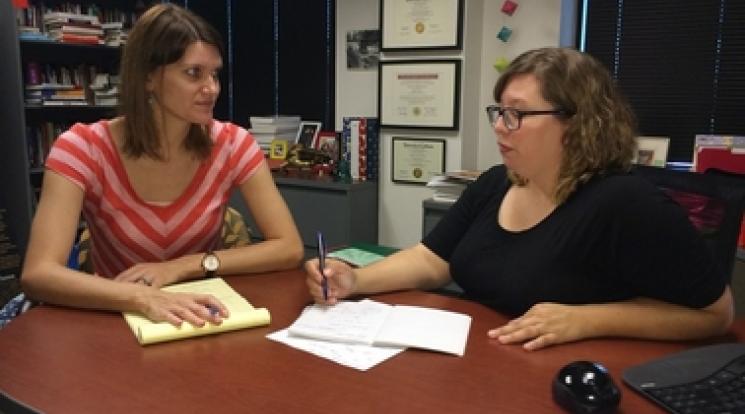
ASU criminologists examine why some parolees fail after release from prison
ASU criminology and criminal justice professors Alyssa Chamberlain and Danielle Wallace wanted to find out how the release of large numbers of parolees in a concentrated area affected their chances of returning to prison. To do this, they examined data from three Ohio cities, Columbus, Cincinnati and Cleveland, from 2000