
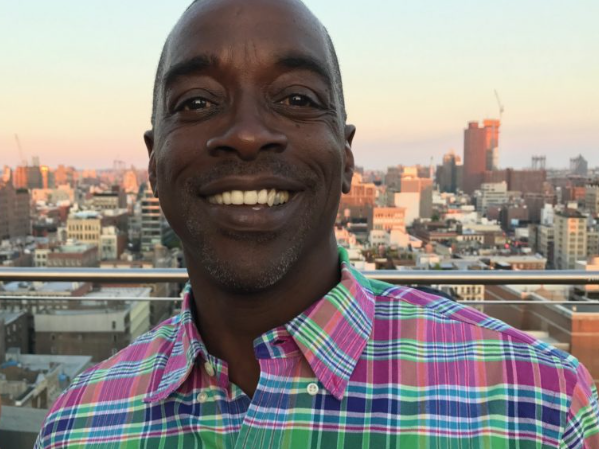
Sharing: Innocence Project Client – Alan Newton Exonerated!
“When you’re incarcerated, it gets harder to defend yourself because you’re really dependent on other people to do all the leg work for you, find the witnesses and make the case.” On July 6, 2006, Alan Newton was exonerated of rape, robbery, and assault charges. He had asked for DNA
EVENT PICTURE: Nicki, Carlos Arzate, Louis Taylor, Lindsay Herf (left to right)
A photo of our good friend and supporter Nicki, Carlos Arzate from the band “Carlos Arzate and the Kind Souls,” our former client Louis Taylor, and former JP DNA Project Manager and current Co-Director of the Wrongful Conviction Clinic at UofA, Lindsay Herf. Taken at a concert where Carlos Arzate

SAVE THE DATE: September 18, 2015 – Book Signing for Bills, Quills, and Stills: An Annotated, Illustrated, and Illuminated History of the Bill of Rights
Book Signing for “Bills, Quills, and Stills: An Annotated, Illustrated, and Illuminated History of the Bill of Rights” & Presentation by Robert J. McWhirter – Just What’s So Exceptional About America?: Rights, “the People”, and the Bill of Rights Where: Changing Hands Bookstore Phoenix, 300 W Camelback Rd, Ste 1 Phoenix, AZ
Can We Trust Crime Forensics?
by Michael Shermer The criminal justice system has a problem, and its name is forensics. This was the message I heard at the Forensic Science Research Evaluation Workshop held May 26–27 at the AAAS headquarters in Washington, D.C. I spoke about pseudoscience but then listened in dismay at how the
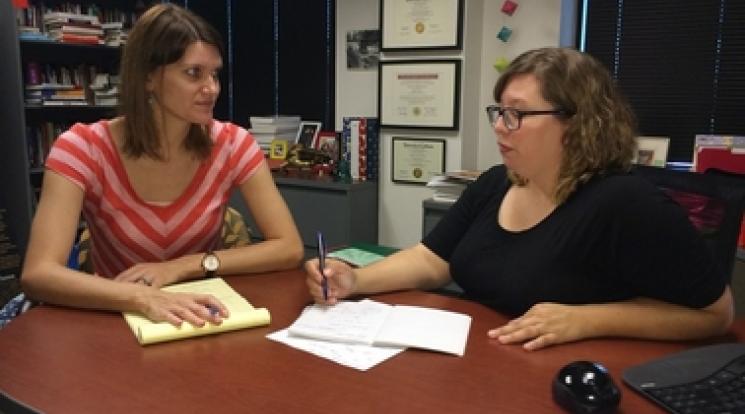
ASU criminologists examine why some parolees fail after release from prison
ASU criminology and criminal justice professors Alyssa Chamberlain and Danielle Wallace wanted to find out how the release of large numbers of parolees in a concentrated area affected their chances of returning to prison. To do this, they examined data from three Ohio cities, Columbus, Cincinnati and Cleveland, from 2000
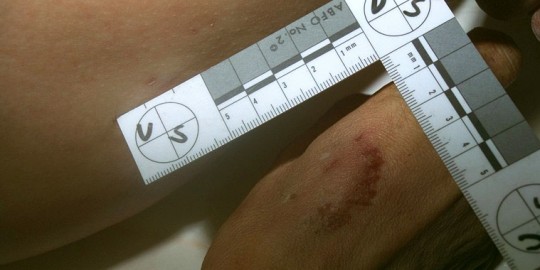
Bitten by Experts via The Intercept
An article in the The Intercept takes a detailed look at the flawed science of bite mark analysis and the case of Bill Richards, a California man who was convicted in 1997 of murdering his wife, Pamela. […] As numerous cases like Richards’ have emerged over the years, some odontologists


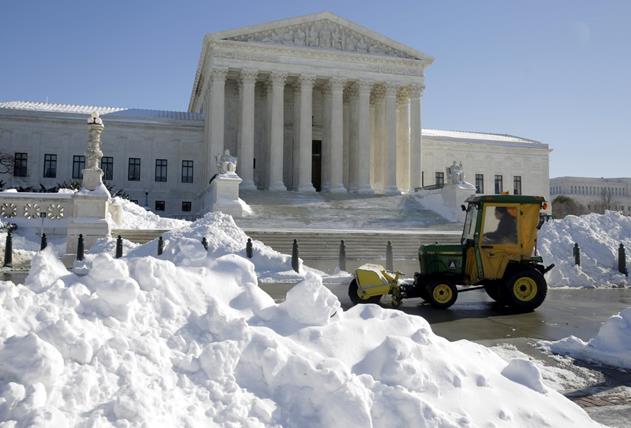
Supreme Court: Life sentences on juveniles open for later reviews
The Supreme Court ruled Monday that those sentenced as teenagers to mandatory life imprisonment for murder must have a chance to argue that they should be released from prison. The ruling expanded the court’s 2012 decision that struck down mandatory life terms without parole for juveniles and said it must
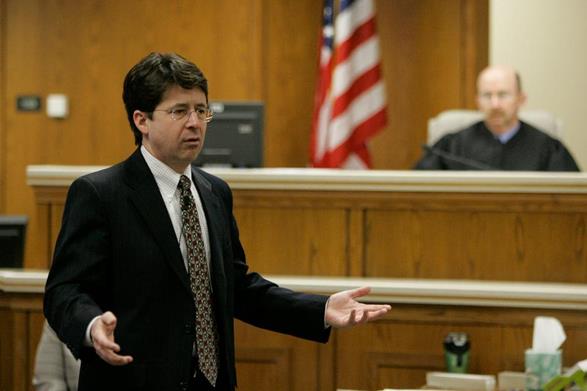
The $40/Hr Defense Lawyer: ‘Making A Murderer’ Attorney Dean Strang Discusses The Economics of Innocence
“One of the central themes of the Netflix NFLX -3.13% documentary Making a Murderer was the imbalance of resources between the prosecution in the Steven Avery case, and Avery’s own defense team. But with a few brief exceptions, there wasn’t much attempt to actually examine it in terms of dollars
Rethinking Reform: Prisons in America
“Rethinking Reform” calls attention to the complex prison system in the United States, and examines the repercussions that mass incarceration has on individuals and families. Video: http://www.viddler.com/v/c882514e?secret=50540044 Pics from the film:
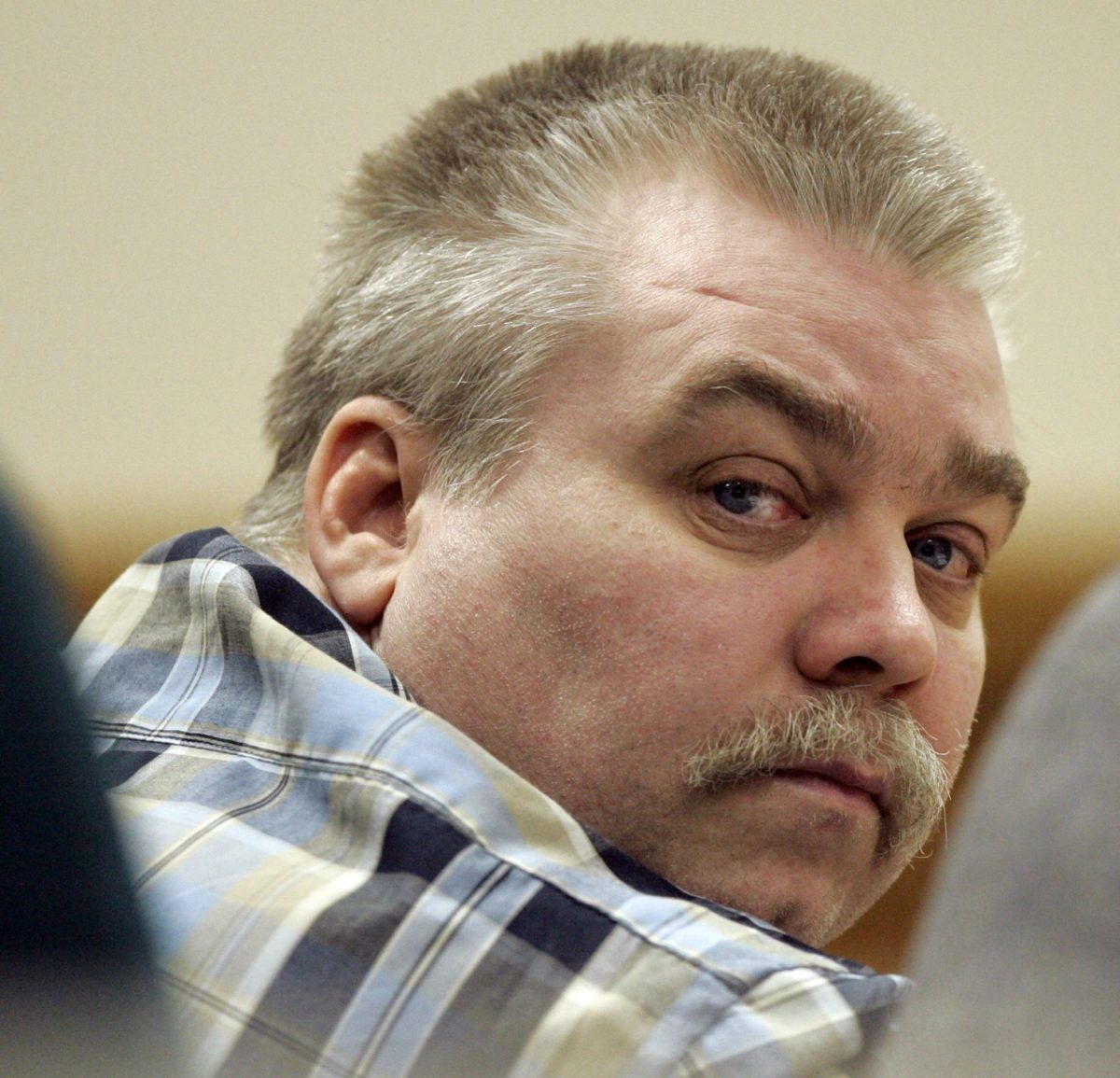
Sharing: ‘Making a Murderer’ shows that our justice system needs a healthy dose of humility
By Keith A. Findley January 15 Keith A. Findley is co-director of the Wisconsin Innocence Project at the University of Wisconsin Law School. Guilty or innocent? Viewers addicted to the Netflix documentary series “Making a Murderer” are fiercely debating the case of Steven Avery and his nephew, Brendan Dassey. In
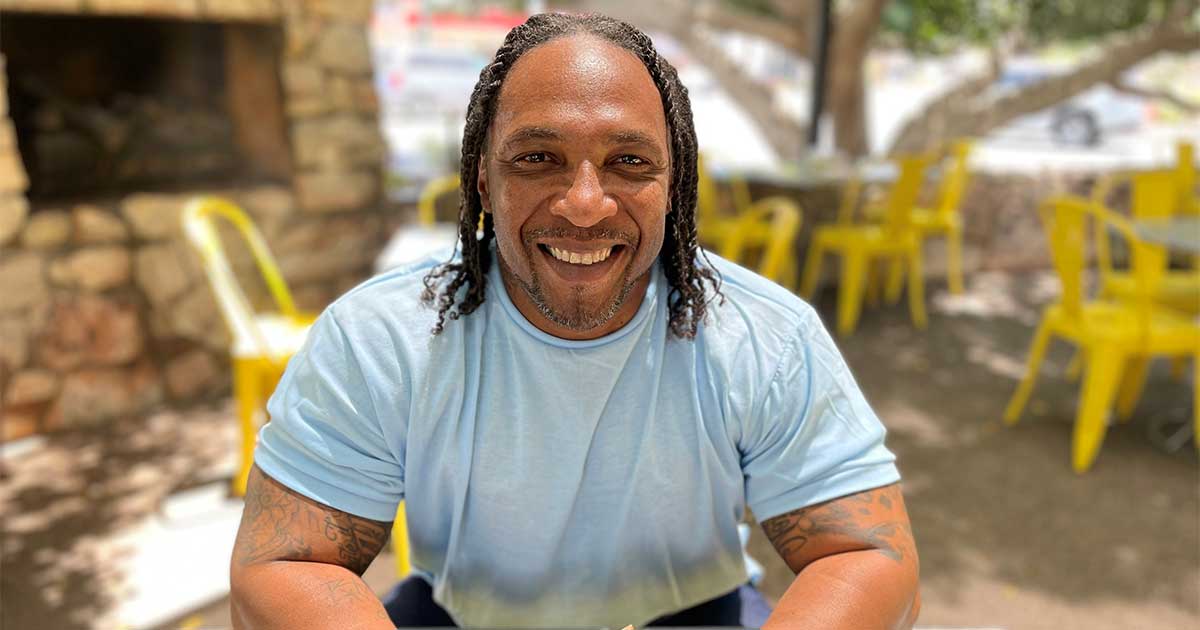
False Confessions Like Brendan Dassey’s Are Common Among Exonerated Juveniles
Minors are psychologically susceptible to being coerced into false confessions and yet frequently interrogated without parents or lawyers around. New details about the case against Steven Avery keep emerging as U.S. audiences flock to Making a Murderer, the Netflix series documenting Avery’s path from wrongfully convicted inmate to free man suing
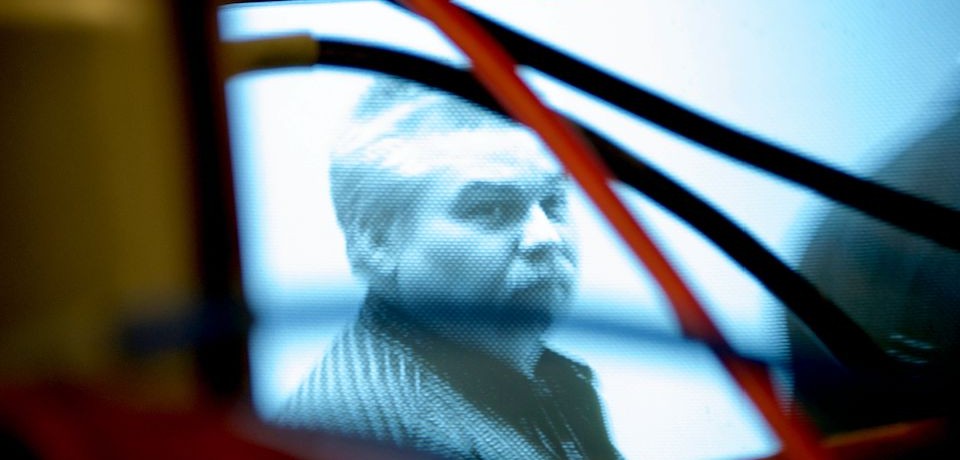
2015: A Year to Remember in False Confessions
By Steve Drizin, Clinical law professor, Northwestern University School of Law 2015 was another momentous year in the world of false confessions. Here are my greatest hits: January 2015 begins tragically as two exonerated false confessors from New York die — Sharrif Wilson, aged 38, and Daniel Gristwood, aged 48.